



precision die casting inc
precision die casting inc
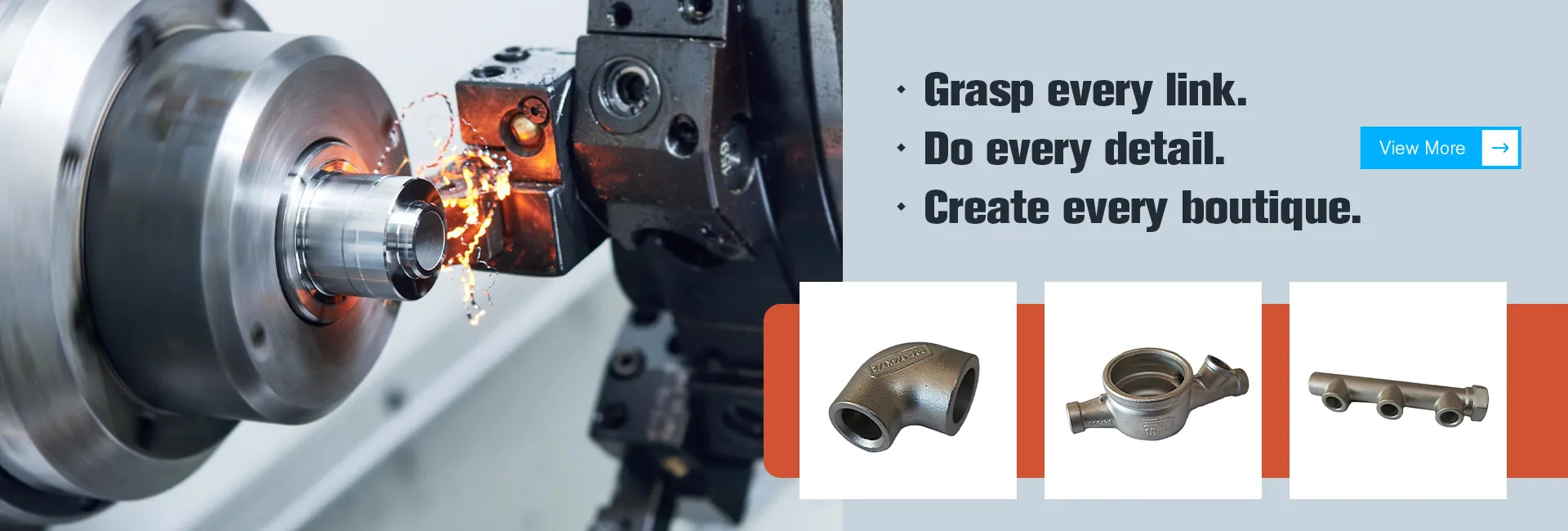
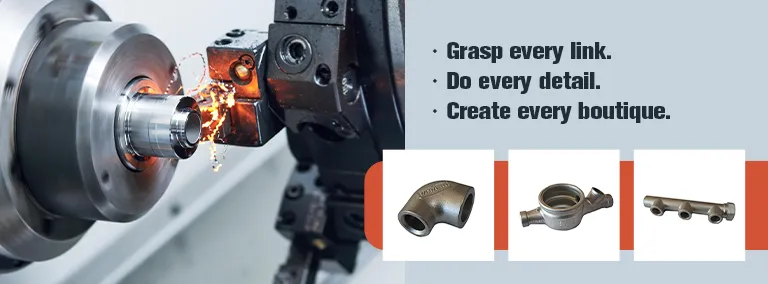
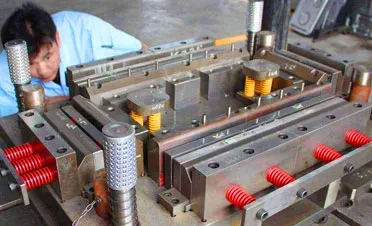
Precision Casting Components Enhancing Manufacturing Efficiency Precision casting is a vital manufacturing process that allows for the production of intricate components with high dimensional accuracy and superior surface finish. This technique has been widely adopted across various industries, including aerospace, automotive, medical devices, and more, due to its numerous advantages in producing complex shapes that traditional manufacturing methods may struggle to achieve. What is Precision Casting? Precision casting, often referred to as investment casting or lost-wax casting, involves creating a wax model of the desired component. This model is then coated in a ceramic material to form a mold. Once the mold is created, the wax is melted away, leaving a cavity that replicates the original model. Finally, molten metal is poured into the mold to create the final component. This process allows for extraordinarily intricate designs and can produce components with tight tolerances, often within +/- 0.5 to 1 mm. Advantages of Precision Casting 1. Complex Geometries One of the primary advantages of precision casting is its ability to produce complex shapes that may be difficult or impossible to create using machining or other subtractive manufacturing methods. This capability is particularly beneficial in industries that require components with elaborate internal structures or geometries. 2. Material Versatility Precision casting is compatible with a wide range of materials, including steel, stainless steel, bronze, and other alloys. This flexibility allows manufacturers to select materials that best suit their specific application requirements, whether it be high temperature resistance, corrosion resistance, or structural integrity. 3. Cost-Effectiveness Although the initial setup costs for precision casting may be higher than for other methods, it can lead to significant cost savings in the long run. The process typically generates less waste compared to machining operations, and the ability to create complex parts in a single step reduces the need for multiple manufacturing processes and assembly steps. 4. High Surface Quality Precision casting typically yields components with excellent surface finishes, often eliminating the need for additional machining processes. This high surface quality can improve the performance and longevity of components, which is especially critical in high-stress applications like aerospace and automotive parts. precision casting components 5. Scalability and Reproducibility Once the initial mold is created, precision casting can be easily scaled to produce large quantities of identical components . This reproducibility makes it an ideal choice for mass production, ensuring consistent quality across all units. Applications in Various Industries Precision casting components are utilized in a plethora of industries. In the aerospace sector, for example, precision castings are used to produce engine parts, landing gear components, and structural elements that must meet stringent safety and performance standards. In the automotive industry, precision castings are often found in engine blocks, transmission housings, and other critical components that require a combination of strength and light weight. The medical industry also benefits from precision casting, particularly in the development of surgical instruments and implants that must be manufactured to exact specifications to ensure patient safety and product efficacy. Furthermore, the energy sector utilizes precision casting for components in turbines and pumps, where reliability and performance under extreme conditions are paramount. Future Trends As technology progresses, the precision casting industry continues to evolve. Innovations such as 3D printing for mold creation and advancements in materials science are pushing the boundaries of what's possible in precision casting. These developments are likely to enhance the accuracy and efficiency of the casting process while reducing lead times. Moreover, the increasing demand for lightweight and high-performance materials in industries such as automotive and aerospace is driving research into new alloys and composite materials suitable for precision casting. Companies that embrace these innovations will likely maintain a competitive edge in the rapidly changing manufacturing landscape. Conclusion Precision casting components represent a cornerstone of modern manufacturing, offering unparalleled capabilities for creating complex, high-quality parts that meet the demands of a diverse range of industries. With its numerous advantages and ongoing innovations, precision casting is set to remain a pivotal process in the future of manufacturing, driving efficiency, accuracy, and cost-effectiveness in production. As manufacturers continue to explore new materials and technologies, the potential for precision casting will only expand, paving the way for advancements in countless applications.
-
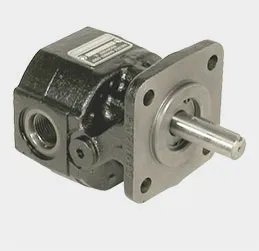 2026-06-15 16:31Precision Metal Stamping Components for Various Industrial Applications and Custom SolutionsUnderstanding Metal Stamping Parts A Vital Component in Manufacturing Metal stamping parts play a crucial role in a wide variety of industries, including automotive, aerospace, electronics, and appliances. This manufacturing process involves the use of specialized dies and punches to shape and cut metal into specific configurations. Understanding the ins and outs of metal stamping can provide insi
 -
 2026-06-15 16:30welding die cast metalWelding Die Cast Metal A Closer Look at Techniques and Applications Die casting is a widely used manufacturing process that allows the production of complex metal shapes with high precision. Metals such as aluminum, zinc, and magnesium are commonly employed in die casting due to their favorable properties. However, like any manufacturing process, die casting often requires further techniques to en
 -
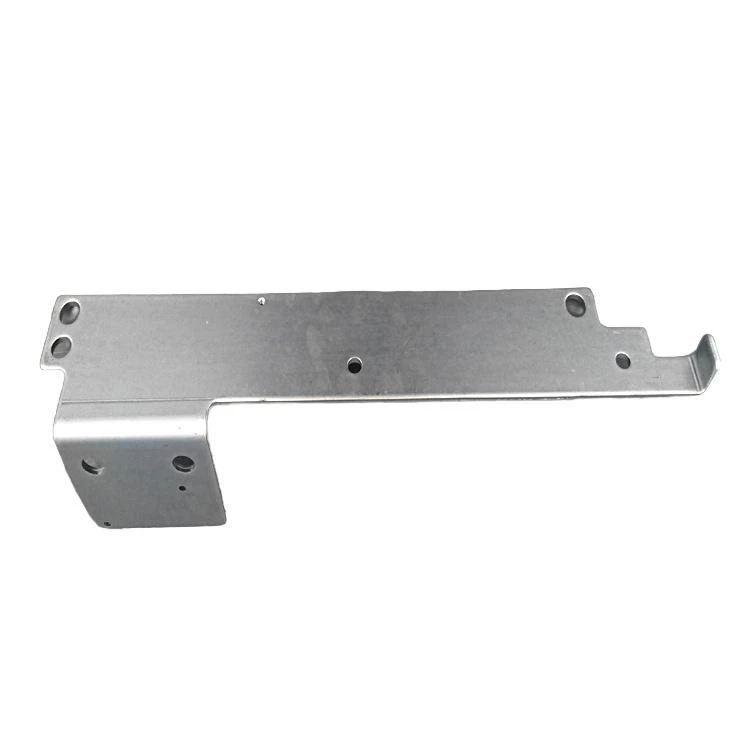 2026-06-15 14:33가공 프로젝트 pdf제목 기계 가공 프로젝트의 중요성과 진행 방법 기계 가공은 현대 산업에서 중요한 역할을 하고 있으며, 이는 다양한 분야에서 요구되는 정밀한 부품과 제품을 만드는 데 필수적입니다. 이번 글에서는 기계 가공 프로젝트의 중요성, 주요 단계, 그리고 성공적인 프로젝트 수행을 위한 팁에 대해 살펴보겠습니다. 기계 가공 프로젝트는 일반적으로 특정 목표를 가지고 시작됩니다. 예를 들어, 새로운 제품을 개발하거나 기존 제품의 성능을 개선할 필요가 있습니다. 이러한 프로젝트의 첫 번째 단계는 프로젝트의 목표와 범위를 명확히 정의하는 것입니다. 목표가 명확해야 참여자들이 같은 방향으로 나아갈 수 있으며, 프로젝트 수행 중 발생할 수 있는 혼란을 최소화할 수 있습니다. . 기계 가공 단계에서는 실제 가공이 이루어집니다. 이 과
 -
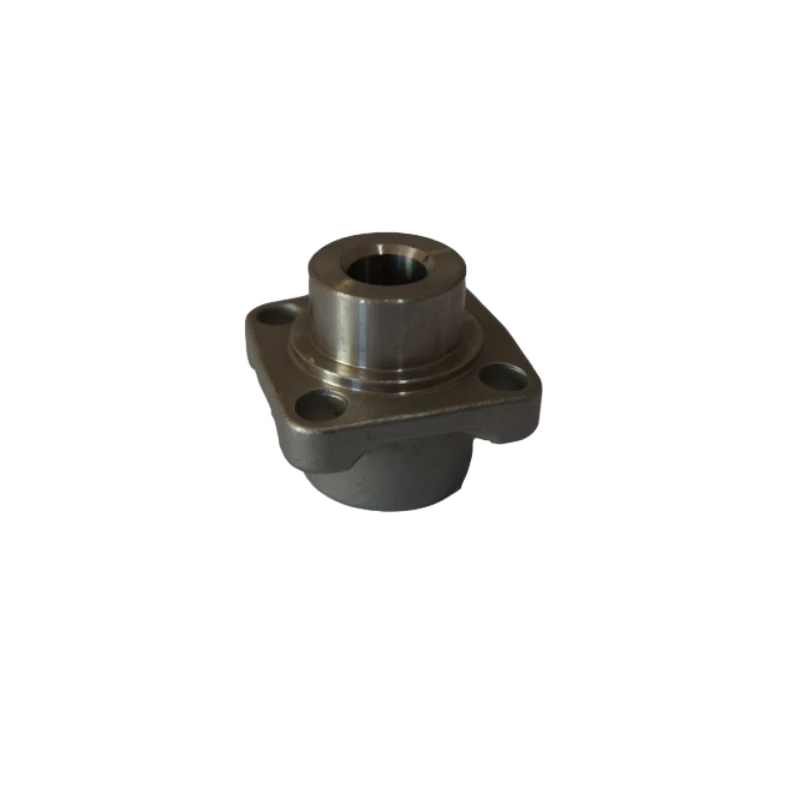 2026-06-15 14:31Precision Metal Stamping Components for Various Industrial ApplicationsUnderstanding Sheet Metal Stamping Parts An Overview Sheet metal stamping is a vital manufacturing process that involves shaping and forming metal sheets into predetermined designs or parts. This technique is widely employed in various industries, including automotive, aerospace, electronics, and construction. The significance of sheet metal stamping parts lies in their ability to produce complex
 -
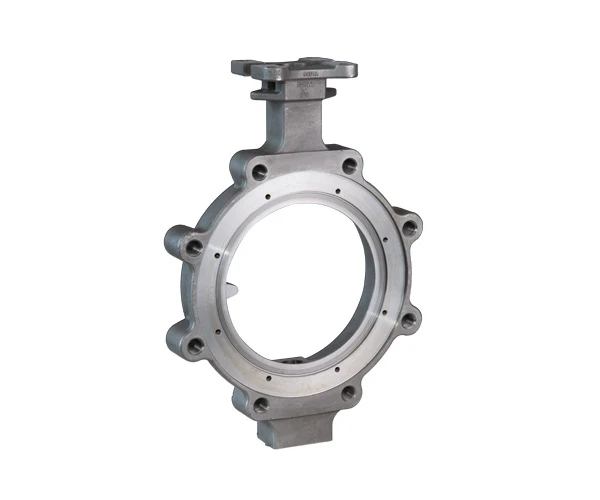 2026-06-15 14:01Precision Valve Solutions for Optimal Performance and Reliability in Fluid Control ApplicationsPrecision Valve SA Pioneering Innovations in Valve Technology Precision Valve SA has made a significant mark in the manufacturing and engineering sectors, primarily focused on producing high-precision valves that play a crucial role in various industries. Established with a vision to enhance fluid control systems, the company has developed a reputation for reliability, quality, and innovation in v